
- All
- Product Name
- Product Keyword
- Product Model
- Product Summary
- Product Description
- Multi Field Search

Views: 0 Author: Site Editor Publish Time: 2026-01-30 Origin: Site


Have you ever wondered how your car adjusts its seats or brakes automatically? Actuators make all these functions possible by converting energy into mechanical motion.
In this article, we will explore how to replace a malfunctioning actuator, focusing on Rotary Actuators. You'll learn the step-by-step process, and why replacing them is crucial for vehicle safety and performance.
An actuator is an electro-mechanical device used to control various systems in a vehicle. By converting electrical, hydraulic, or pneumatic energy into mechanical motion, actuators play a pivotal role in the operation of critical vehicle functions. These devices are typically controlled by the vehicle's central computer or control system, responding to signals that instruct them to perform specific tasks. Whether it is a simple seat adjustment or a complex brake application, actuators are responsible for translating those electronic signals into physical movement. One of the most important types of actuators is the Rotary Actuator, which converts rotational movement into mechanical work and is often used in systems such as steering, suspension, and other vehicle components that require precise rotational control.
Actuators are essential because they automate and control vehicle systems that impact everything from safety to comfort. Without actuators, functions like automatic braking, adjustable suspension, or power windows would not be possible, meaning vehicle performance would rely entirely on manual control. For instance, Rotary Actuators are critical in steering and suspension systems, where they provide accurate rotational control, ensuring that the vehicle responds smoothly to driver input. Additionally, actuators help optimize vehicle efficiency by controlling components such as the engine, exhaust systems, and air intake systems, which all require precise regulation for the vehicle to run smoothly and efficiently.
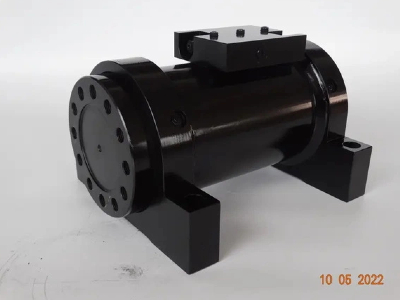
One of the most obvious signs that an actuator needs replacement is when a component it controls becomes unresponsive. For example, if the power windows, seats, or mirrors in your vehicle fail to operate as expected, it's likely due to a malfunctioning actuator. These components rely on actuators to move smoothly, and when the actuator fails, the component will either stop functioning altogether or perform inconsistently.
If a system like the vehicle's suspension or braking exhibits erratic behavior, this could signal a problem with the actuator. For example, you may notice that the suspension doesn’t adjust evenly or that the brakes don’t apply consistent pressure. Since actuators are designed to provide predictable and stable motion, any variation in their performance indicates a malfunction. A faulty actuator in these systems can compromise both the comfort and safety of the vehicle.
Unusual noises—such as grinding, whining, or popping—are another indicator of actuator failure. These sounds often arise from internal components of the actuator that are worn or damaged. Similarly, if there are delays when adjusting settings like seat positions or climate controls, this can point to a failing actuator. These delays are often caused by internal friction or the actuator's inability to respond in a timely manner.
Tool | Purpose |
Wrenches and Socket Set | To remove bolts and screws securing the actuator. |
Screwdrivers | To unscrew fasteners and components blocking access. |
Hydraulic Jack | To lift the vehicle for easier access to lower components. |
Safety Gloves and Goggles | To protect hands from sharp edges and debris. |
Before beginning the replacement process, ensure you have the necessary tools on hand. This will include basic hand tools like wrenches and screwdrivers, as well as more specialized equipment such as a hydraulic jack for lifting the vehicle and safety gloves and goggles to protect against injury. Having all the necessary tools ensures that the replacement process is smooth and efficient.
The first step in replacing an actuator is to locate the faulty component. This requires careful diagnosis of the symptoms, as actuators are located in different parts of the vehicle depending on the system they control. For example, Rotary Actuators are often used in steering and suspension systems, while other actuators might control the seats or windows. Once you've identified the malfunctioning actuator, you may need to remove surrounding components or even lift the vehicle to access the actuator. In some cases, especially with Rotary Actuators, accessing the component may require removing panels or other parts that obstruct access.
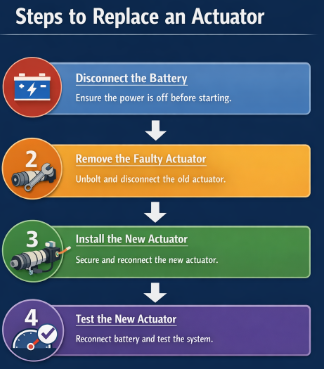
Before beginning any actuator replacement, it is crucial to disconnect the vehicle’s power supply. This is not only a safety measure but also protects sensitive electronic components from damage. Disconnecting the battery ensures that no electrical current flows through the vehicle’s systems while you're working on the actuator. This precaution prevents accidental activation of the vehicle’s electronic systems, such as the airbags or power-assisted features, which could pose a risk during the replacement process. Additionally, disconnecting the battery eliminates the possibility of short-circuiting the system, which could cause significant damage or even start a fire in the vehicle's wiring.
To disconnect the battery:
1. Locate the battery: The battery is typically found in the engine compartment, but in some vehicles, it may be in the trunk or under the rear seats.
2. Use the appropriate tools: Typically, a wrench or socket set is required to remove the battery terminals. Always begin with the negative (-) terminal to prevent electrical shorts.
3. Secure the terminals: After disconnecting the battery, ensure the terminals are kept away from any metal parts to avoid accidental reconnection.
By disconnecting the power supply, you ensure a safe working environment and prevent the possibility of electrical shocks or damage to the vehicle's sensitive electronics.
Once the power supply is safely disconnected, you can begin removing the faulty actuator. The exact process may vary depending on the actuator's location in the vehicle and whether it is electric, hydraulic, or pneumatic. Below is a general guide to remove the faulty actuator:
1. Locate the Actuator:
a. Use the vehicle’s manual or a diagnostic tool to locate the actuator. If it's a Rotary Actuator, such as those used in steering or suspension systems, it will typically be located in the steering column or suspension assembly.
b. If you're unsure of its location, refer to diagrams in the service manual or consult a professional to identify where the actuator is housed.
2. Disconnect the Wiring or Fluid Lines:
a. For electric actuators, you’ll need to disconnect the electrical wiring that powers the actuator. Be sure to remove the connectors carefully to avoid damage to the wires or the actuator.
b. If the actuator is hydraulic or pneumatic (for example, a CY1 or CY2 Series Rotary Actuator from Changsha Chiyu Hydraulic Equipment Co., Ltd.), you'll need to release any built-up pressure in the lines before disconnecting them. This may require you to:Release Hydraulic Pressure: For hydraulic actuators, depressurize the system to avoid leaks or injury.
i. Drain the Fluid: If fluid is present in the actuator system, ensure it is drained properly to prevent spillage.
3. Remove Fasteners:
a. After the wiring or fluid lines are disconnected, the next step is to unscrew or unbolt the actuator from its mount. Use the appropriate tools (e.g., wrenches, screwdrivers, or a socket set) to loosen and remove the fasteners.
b. Keep track of the fasteners, as you will need to use them to secure the new actuator.
c. Be patient during this step, especially if the actuator is in a difficult-to-reach location, such as behind panels or inside the vehicle’s chassis. Taking your time will help prevent unnecessary damage to surrounding parts.
4. Remove the Actuator:
a. Once all fasteners are removed, carefully pull the actuator out of its housing. If it’s stuck, gently wiggle it free, but avoid using excessive force, which could cause damage to the surrounding components.
Now that the faulty actuator has been removed, it’s time to install the new one. Installing a new actuator requires careful alignment and secure mounting to ensure proper function:
1. Place the New Actuator:
a. Align the new actuator with the mounting points in the housing. Ensure it is positioned exactly as the old actuator was to avoid misalignment during operation.
b. If the actuator is a Rotary Actuator, ensure that the rotational movement is unobstructed and that the actuator is properly aligned with any steering or suspension components.
2. Secure the Actuator:
a. Once the actuator is in place, use the appropriate bolts or screws to secure it to the mounting points. Ensure all fasteners are tightened to the manufacturer’s recommended torque specifications to avoid issues with the actuator during use.
3. Reconnect the Wiring or Fluid Lines:
a. For electric actuators, reconnect the electrical wiring, ensuring that all connectors are properly attached and there is no chance of them coming loose.
b. For hydraulic or pneumatic actuators, reconnect the hydraulic lines or pneumatic tubes securely. For example, the CY4 and CY6 Series Rotary Actuators may require you to check for any air or fluid leaks once the lines are reconnected.
c. If the actuator involves seals (common in hydraulic actuators), ensure that they are correctly seated to prevent leaks. Seals should be free from damage, and the correct hydraulic fluid should be used for the system.
4. Check for Proper Alignment:
a. Before proceeding, verify that the actuator is properly aligned and positioned. For Rotary Actuators used in steering systems, make sure the actuator is aligned with the steering column to ensure smooth and controlled movement.
Once the new actuator is securely installed, it is time to test its functionality. Proper testing ensures that the new actuator is working as intended and that all systems are functioning correctly:
1. Reconnect the Vehicle's Battery:
a. Once the new actuator is in place, reconnect the vehicle’s battery. This will provide power to the actuator and allow you to test the system it controls.
2. Test the System:
a. For a Rotary Actuator in the steering system, test the steering wheel to ensure smooth rotation and proper control.
b. If the actuator controls the suspension, test the vehicle’s ride height or ride quality by driving it over various surfaces to confirm that the suspension adjusts correctly.
c. For braking systems, gently test the brakes to confirm that the actuator is properly applying pressure.
3. Check for Leaks:
a. If the actuator is hydraulic or pneumatic, perform a leak test to ensure that there are no leaks in the lines or seals. A small amount of leakage could indicate improper sealing, which may require further adjustments or re-sealing.
4. Verify Performance:
a. Test other components, such as the windows, seats, or air conditioning, depending on the type of actuator you replaced. The actuator should function smoothly, without hesitation, strange noises, or delays.
One of the most common mistakes when replacing an actuator is overtightening the bolts or screws. This can cause unnecessary stress on the actuator and the surrounding components, leading to cracks or misalignment. Always follow the manufacturer’s torque specifications to ensure that the actuator is securely mounted but not overly tightened.
Another frequent issue arises from improper wiring connections. Incorrectly connected wires can cause the actuator to malfunction or prevent it from working altogether. Double-check all wiring to ensure proper connections before reassembling the system. In the case of hydraulic or pneumatic actuators, verify that all lines are securely attached and that there are no leaks.
Replacing an actuator, whether it’s a Rotary Actuator in the steering system or a brake actuator, is a straightforward process when done correctly. By following the steps outlined in this guide, you can restore the functionality of your vehicle’s systems and ensure that it runs safely and smoothly. Make sure to disconnect the vehicle’s battery, remove the faulty actuator carefully, and install the new one with precision.
Regular maintenance of actuators is essential to prevent costly repairs and ensure the longevity of your vehicle. Timely actuator replacement can help avoid system failures and improve overall vehicle performance. For critical components like brakes and steering, it’s particularly important to replace faulty actuators quickly, as they directly impact your safety on the road. Changsha Chiyu Hydraulic Equipment Co., Ltd., with its expertise in manufacturing high-quality hydraulic actuators, such as the CY Series Rotary Actuators, provides reliable solutions to ensure your vehicle’s systems operate at their best.
A: An actuator is a device that converts energy into mechanical motion. In cars, it controls systems like brakes, suspension, and steering. Rotary Actuators, for example, are commonly used in steering systems to control rotational movement.
A: To replace a Rotary Actuator, first disconnect the vehicle's battery, then carefully remove the faulty actuator. Install the new one by securing it with bolts and reconnecting the wiring. Test the system before reassembling the vehicle.
A: Replacing a faulty actuator ensures your vehicle operates safely. A malfunctioning actuator, especially in critical systems like brakes or steering, can lead to safety hazards, so timely replacement is essential.
A: Signs of a failing Rotary Actuator include unresponsive steering, strange noises, or delayed responses. If your vehicle’s steering feels stiff or unresponsive, the Rotary Actuator may need to be replaced.
A: The cost of replacing a Rotary Actuator varies depending on the car model and labor costs. Typically, it ranges from $200 to $800, including parts and installation.


