
- All
- Product Name
- Product Keyword
- Product Model
- Product Summary
- Product Description
- Multi Field Search

Views: 0 Author: Site Editor Publish Time: 2026-04-29 Origin: Site


When searching for Tilt Quick Coupler solutions, manufacturers and industrial buyers face numerous options in today's competitive marketplace. Understanding the technology, applications, and selection criteria helps businesses make informed procurement decisions that align with their operational requirements and long-term objectives.
Tilt Quick Coupler has become increasingly important across industrial sectors as companies strive for improved efficiency, quality consistency, and cost-effectiveness. The evolution of this technology reflects broader industry trends toward automation, precision engineering, and sustainable manufacturing practices.
This comprehensive guide explores everything buyers need to know about Tilt Quick Coupler, from fundamental principles to advanced applications, helping you evaluate options and select the most suitable solution for your specific needs.
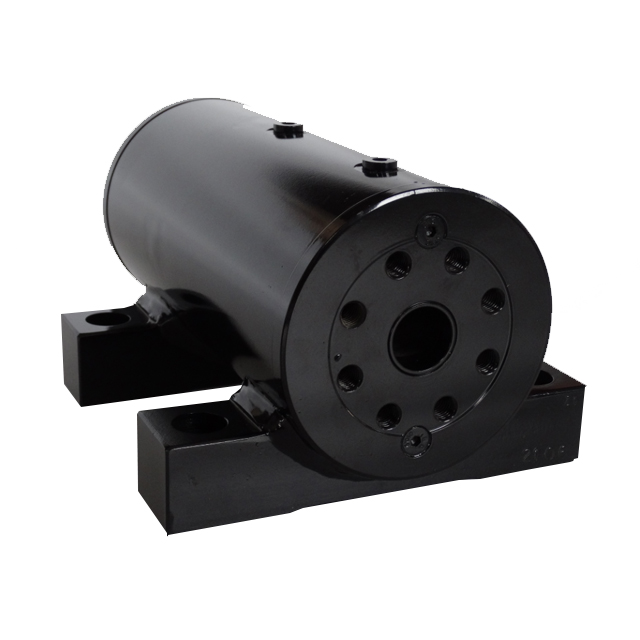
Understanding the working mechanism helps operators maximize equipment performance and troubleshoot issues effectively. Modern systems incorporate advanced technologies that deliver consistent results across various operating conditions.
The core principle behind Tilt Quick Coupler involves precise control of multiple parameters including temperature, pressure, speed, and timing. Advanced sensors and control systems continuously monitor these variables, making real-time adjustments to maintain optimal processing conditions.
Key components typically include precision-engineered mechanisms, high-quality actuators or processing elements, intelligent control systems, and robust structural frameworks. The integration of these elements ensures reliable operation and consistent output quality.
Modern Tilt Quick Coupler solutions often feature digital interfaces that allow operators to program specific parameters, monitor real-time performance data, and receive alerts for maintenance requirements. This connectivity enables predictive maintenance strategies that minimize unexpected downtime.
The technology continues to evolve with advances in materials science, control algorithms, and manufacturing techniques. Keeping pace with these developments helps businesses maintain competitive advantages in their respective markets.
Industry-leading manufacturers like Changsha Chiyu Hydraulic Equipment Co., Ltd. offer Tilt solutions that incorporate these advanced principles.
The versatility of Tilt Quick Coupler makes it indispensable across numerous industrial applications. Each sector has unique requirements that influence equipment specifications and configuration choices.
In manufacturing environments, Tilt Quick Coupler plays a critical role in production lines, quality control processes, and assembly operations. The technology enables consistent product quality while maintaining high throughput rates essential for competitive manufacturing operations.
Automotive manufacturers utilize Tilt Quick Coupler for precision assembly, component verification, and production line integration. The ability to maintain tight tolerances and repeatability makes this technology particularly valuable in safety-critical applications.
Aerospace applications demand exceptional precision and reliability under extreme conditions. Tilt Quick Coupler systems must meet stringent specifications for materials, manufacturing processes, and quality assurance protocols.
The defense sector similarly requires robust solutions capable of operating in challenging environments while meeting rigorous performance standards. These applications often involve custom configurations designed for specific operational requirements.
Modern electronics manufacturing relies heavily on Tilt Quick Coupler for assembly, testing, and quality verification processes. Miniaturization trends continue to push requirements for ever-greater precision and consistency.
Semiconductor and component manufacturers employ advanced Tilt Quick Coupler solutions to achieve the tolerances required for next-generation electronic devices. This sector drives significant innovation in precision engineering and control systems.
For specialized applications, explore our Tilt product line featuring configurations optimized for specific industry requirements.
Choosing the appropriate Tilt Quick Coupler requires careful evaluation of multiple factors that influence equipment suitability for specific applications. Taking time to assess these requirements helps avoid costly mistakes and ensures optimal return on investment.
Operational Requirements: Begin by clearly defining your processing needs, including throughput targets, quality specifications, and operational schedules. Understanding these parameters guides all subsequent evaluation steps.
Technical Specifications: Match equipment capabilities to your application requirements. Consider factors such as power ratings, precision levels, speed ranges, and environmental specifications that influence equipment performance.
Quality and Reliability: Evaluate manufacturer reputation, component quality, and track record for delivering reliable equipment. Quality construction typically results in lower maintenance costs and longer service life.
Support and Service: Consider the availability of technical support, spare parts, and maintenance services. Strong after-sales support minimizes operational disruptions and extends equipment useful life.
Integration Capabilities: Ensure the selected Tilt Quick Coupler can integrate smoothly with existing systems and workflows. Compatibility with control systems, peripheral equipment, and software platforms affects implementation success.
Buyers sometimes prioritize initial cost over total cost of ownership, leading to higher expenses over equipment lifespan. Consider factors such as energy consumption, maintenance requirements, and expected service life when evaluating options.
Insufficient attention to training and support needs can limit equipment utilization. Ensure your team has access to adequate training and technical resources to maximize equipment performance.
Our comprehensive Tilt selection guide provides detailed recommendations for matching equipment to specific application requirements.
Proper maintenance ensures consistent performance, extends equipment lifespan, and protects your investment. Establishing comprehensive maintenance protocols should be a priority for all operators.
Daily inspections should include visual checks of critical components, verification of operating parameters, and monitoring of any warning indicators. Early detection of anomalies prevents more serious problems from developing.
Weekly maintenance might involve cleaning, lubrication of moving parts, and verification of calibration. Document all maintenance activities to establish baseline performance data and track component wear patterns.
Monthly and quarterly maintenance typically requires more thorough inspection of mechanical components, electrical systems, and control mechanisms. Professional service technicians should handle complex maintenance tasks.
Understanding typical problems and their root causes helps operators respond effectively when issues arise. Common challenges often relate to component wear, calibration drift, or environmental factors.
Performance degradation may indicate worn components requiring replacement. Monitoring trends in operating parameters helps identify when maintenance intervention becomes necessary.
Unusual noises, vibrations, or temperature changes often signal developing problems. Addressing these symptoms promptly prevents more serious damage and costly repairs.
Some maintenance tasks require specialized knowledge, tools, or safety precautions. Working with qualified service technicians ensures proper execution of complex procedures and maintains warranty coverage.
Establish relationships with authorized service providers who understand your specific equipment and application requirements. These partnerships provide valuable support for both routine maintenance and unexpected issues.
Genuine replacement parts and Tilt accessories help maintain optimal equipment performance throughout the service life.
Understanding technical specifications helps buyers compare options objectively and select equipment that meets their performance requirements. This section provides detailed analysis of key parameters.
Processing speed, precision levels, and throughput capacity represent primary performance metrics for most applications. These specifications directly influence production efficiency and output quality.
Energy efficiency affects operating costs over equipment lifespan. Modern designs increasingly emphasize energy conservation without compromising performance capabilities.
Reliability metrics, including mean time between failures and mean time to repair, provide insight into expected equipment uptime and maintenance requirements.
Material selection, component quality, and manufacturing precision influence long-term durability and performance consistency. Premium materials and precision manufacturing typically result in higher initial costs but lower lifetime expenses.
Welding quality, surface treatments, and assembly precision reflect manufacturer commitment to quality. These details become apparent during maintenance and repair activities.
Control system sophistication affects ease of operation and integration capabilities. Modern systems offer enhanced connectivity and data management features that support Industry 4.0 initiatives.
Understanding how different manufacturers approach the market helps buyers make informed decisions. Here's a comparison between leading options:
Feature | Our Brand | Competitor A | Competitor B | Competitor C |
|---|---|---|---|---|
Build Quality | Good | Standard | Basic | Limited |
Precision Level | Superior | Basic | Average | Limited |
Service Life | Advanced | Standard | Basic | Entry-level |
Technical Support | Good | Basic | Inconsistent | Developing |
Spare Parts Availability | Excellent | Basic | Good | Basic |
Energy Efficiency | Good | Standard | Inconsistent | Moderate |
Customization Options | Superior | Variable | Inconsistent | Limited |
Warranty Coverage | Advanced | Basic | Inconsistent | Moderate |
The Tilt Quick Coupler market continues evolving with technological advances, changing regulations, and evolving customer requirements. Staying informed about trends helps businesses anticipate changes and maintain competitive positioning.
Artificial intelligence and machine learning increasingly influence equipment design and operation. Smart features enable predictive maintenance, automated optimization, and enhanced connectivity that improve operational efficiency.
Materials innovations continue expanding performance capabilities while reducing weight and cost. Advanced composites, high-strength alloys, and surface treatments enhance durability and capability.
Automation and robotics integration drives productivity improvements across industrial applications. Modern Tilt Quick Coupler systems often serve as components within larger automated systems.
Environmental regulations increasingly affect equipment specifications and operational practices. Energy efficiency requirements, emissions standards, and sustainability initiatives shape product development priorities.
International standards influence equipment design and testing protocols. Understanding applicable standards helps ensure compliance and market access.
Continued growth in key end-use sectors supports robust demand for quality Tilt Quick Coupler solutions. Emerging applications in new industries create additional opportunities for suppliers and equipment manufacturers.
Competition intensifies as new market entrants challenge established players. Differentiation through quality, innovation, and customer service becomes increasingly important for maintaining market position.
Evaluating Tilt Quick Coupler purchases requires comprehensive analysis of both initial costs and ongoing operational expenses. A thorough ROI analysis supports informed procurement decisions.
Initial purchase price represents only part of total cost of ownership. Consider transportation, installation, training, and commissioning expenses when evaluating options.
Operating costs include energy consumption, consumables, maintenance supplies, and labor for operation and supervision. These recurring expenses often exceed initial acquisition costs over equipment lifespan.
Maintenance and repair costs vary significantly based on equipment quality, operating conditions, and maintenance practices. Quality equipment typically experiences lower maintenance expenses and fewer unplanned repairs.
Productivity improvements translate directly to financial benefits through increased output, reduced labor requirements, or improved quality that commands premium pricing.
Quality improvements reduce waste, rework, and customer complaints. These benefits may be difficult to quantify precisely but significantly impact profitability.
Flexibility and capability improvements enable participation in new markets or applications that were previously beyond operational capabilities.
Successful Tilt Quick Coupler procurement requires careful planning, thorough evaluation, and effective negotiation. Following proven best practices improves procurement outcomes.
Define clear specifications that capture all functional requirements while avoiding unnecessary restrictions. Well-written specifications attract competitive bids from qualified suppliers.
Establish realistic budgets based on comprehensive cost analysis. Underfunded projects often experience scope reduction, quality compromises, or schedule delays.
Develop detailed evaluation criteria before receiving bids. Objective, predetermined criteria ensure fair comparison and documentation of selection rationale.
Request comprehensive bids that include technical specifications, pricing details, and support commitments. Complete information enables meaningful comparison.
Visit manufacturer facilities when possible to assess production capabilities, quality systems, and organizational competence. Firsthand observation provides insights not available from documentation.
Contact existing customers to verify manufacturer claims regarding product performance and support quality. Customer references offer valuable perspective on real-world experiences.
Negotiate comprehensive contracts that protect buyer interests while establishing fair terms for both parties. Include clear specifications, delivery schedules, payment terms, and warranty provisions.
Plan implementation activities thoroughly to minimize operational disruption. Include adequate time for installation, commissioning, training, and process development.
Establish performance metrics to verify that equipment meets expectations during initial operating period. Early identification of issues enables timely resolution.
A: Tilt Quick Coupler refers to the technology or equipment designed for specific industrial applications. It plays a crucial role in processing, manufacturing, and quality control across various sectors. The technology has evolved significantly over the past decades, incorporating advanced materials, precision engineering, and innovative designs to meet increasing performance demands.
A: The operation of Tilt Quick Coupler involves precise mechanical and/or chemical processes tailored to specific applications. Modern systems utilize computer-controlled mechanisms, high-quality components, and optimized workflows to achieve consistent results. Understanding the working principle helps operators maximize efficiency and product quality while minimizing waste and operational costs.
A: Tilt Quick Coupler serves a wide range of industries including manufacturing, automotive, aerospace, electronics, construction, and more. Different sectors have unique requirements, and manufacturers offer specialized configurations to meet these diverse needs. The versatility of applications makes this technology essential across global supply chains.
A: Regular maintenance ensures optimal performance and extends equipment lifespan. This includes routine inspection of critical components, proper cleaning procedures, timely replacement of wear parts, and adherence to manufacturer guidelines. Professional servicing intervals depend on usage intensity and operating conditions.
A: Several factors influence pricing, including materials used, manufacturing complexity, precision requirements, automation level, and brand reputation. While initial investment matters, total cost of ownership—including efficiency, maintenance needs, and operational lifespan—provides a more accurate comparison basis for procurement decisions.
A: Most manufacturers offer customization options to meet specific application requirements. Custom solutions may involve modifications to size, capacity, power specifications, control systems, or integration capabilities. Working with experienced suppliers ensures proper specification matching and seamless integration into existing workflows.
Tilt Quick Coupler represents a critical technology for numerous industrial applications, offering significant benefits for businesses that select and implement equipment appropriately. Understanding the technology, applications, and selection criteria enables informed procurement decisions.
Working with experienced suppliers like Changsha Chiyu Hydraulic Equipment Co., Ltd. provides access to quality equipment, technical expertise, and ongoing support that contribute to successful outcomes. Comprehensive evaluation of options, careful planning, and thorough implementation ensure that investments deliver expected returns.
The continued evolution of Tilt Quick Coupler technology creates opportunities for businesses to improve efficiency, quality, and competitiveness. Staying informed about developments and trends helps organizations capitalize on these opportunities as they emerge.


