
- All
- Product Name
- Product Keyword
- Product Model
- Product Summary
- Product Description
- Multi Field Search

Views: 0 Author: Site Editor Publish Time: 2026-01-28 Origin: Site


Ever wondered how your car makes automatic adjustments to seat positions or brakes? It's all thanks to actuators. These devices play a crucial role in controlling and automating vehicle systems, making your car safer and more efficient.
In this article, you will learn about the importance of actuators, with a focus on Rotary Actuators, and how they impact your driving experience.
An actuator is a mechanical or electro-mechanical device that converts energy, such as electrical, hydraulic, or pneumatic energy, into motion. This conversion of energy allows actuators to control the movement or positioning of various components in a vehicle. For example, actuators are responsible for regulating throttle positions, applying brakes, adjusting seating positions, and controlling windows. In a vehicle, actuators typically work by responding to electronic signals from the vehicle's computer system, which instructs the actuator to perform specific tasks, such as moving an engine part or adjusting a suspension system.
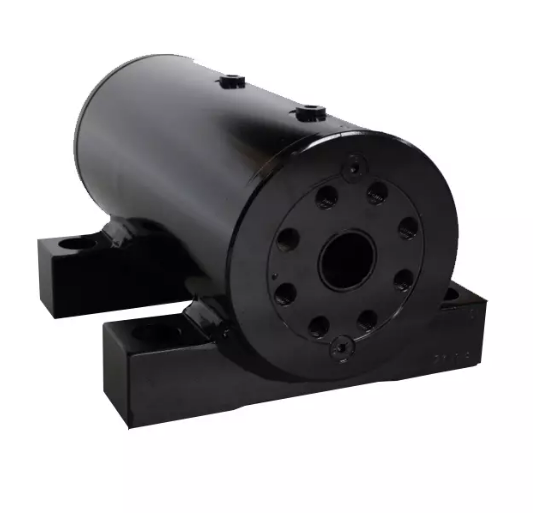
Electric actuators are commonly used in lower-power applications that require precise control. They are typically found in systems such as power windows, seat adjustments, electric door locks, and side mirrors. Electric actuators convert electrical energy into motion through the use of small motors, which move mechanical components with high precision. They are often used in applications where space constraints, efficiency, and precision are important. These actuators are typically smaller in size and are reliable for controlling non-heavy-duty systems, making them an essential part of modern automotive design.
Hydraulic actuators are used in high-power applications that require significant force or torque, such as brake systems, steering mechanisms, and suspension systems. These actuators use pressurized hydraulic fluid to generate movement, allowing them to perform tasks that require substantial force. For example, in an automotive brake system, hydraulic actuators apply pressure to the brake pads to slow or stop the vehicle. Similarly, hydraulic actuators in the steering system help adjust the position of the wheels, allowing for smooth and responsive handling. Hydraulic actuators are crucial in situations where high force is needed, and they excel in providing that power with relatively simple mechanical designs.
Pneumatic actuators use compressed air to control the movement of vehicle components. These actuators are commonly found in systems that require quick response times and smooth, precise adjustments. In vehicles with air suspension systems, pneumatic actuators control the air pressure in the suspension components, adjusting the ride height and ensuring a smooth and stable ride. Pneumatic actuators are also used in HVAC systems to regulate airflow and temperature by controlling vents and ducts. Their fast response times and ability to work in high-frequency applications make them valuable for maintaining vehicle comfort and performance, particularly in luxury and performance vehicles.
Actuators in the engine control system play a crucial role in managing the intake and exhaust systems, as well as optimizing fuel efficiency. For example, throttle body actuators adjust the flow of air into the engine, which affects the vehicle's power and performance. Similarly, fuel injectors, controlled by actuators, regulate the amount of fuel delivered to the engine, ensuring that the fuel-to-air ratio remains optimal for combustion. Exhaust gas recirculation systems also rely on actuators to reduce harmful emissions by redirecting exhaust gases back into the engine for re-burn, thus improving fuel efficiency and reducing environmental impact.
The braking system of modern vehicles also relies heavily on actuators to provide precise and responsive braking. In electronic brake systems, actuators work in conjunction with sensors to adjust the brake pressure, helping to slow down or stop the vehicle when necessary. This is particularly important in emergency situations, where quick and controlled braking can prevent accidents. Additionally, actuators in automatic braking systems can apply the brakes without human intervention, enhancing safety in critical driving conditions. Active safety systems, such as anti-lock braking and stability control, also depend on actuators to apply and release brake force on specific wheels, ensuring optimal vehicle control.
Actuators in climate control systems help regulate temperature and air distribution throughout the cabin, ensuring a comfortable environment for passengers. These actuators adjust the position of vents and control the flow of air from the heating and cooling systems. For example, in vehicles equipped with automatic climate control, actuators respond to temperature sensors and adjust the settings in real-time, ensuring that the cabin remains at the desired temperature without manual input from the driver. Actuators also play a role in adjusting the seat heaters and ventilation systems, providing additional comfort to passengers during extreme weather conditions.
Actuator Type | Applications | Function |
Electric Actuators | Power windows, seat adjustments, door locks, mirrors | Provides precise motion control for low-power systems |
Brakes, power steering, suspension systems | Converts hydraulic pressure into force for high-power systems | |
Pneumatic Actuators | Air suspension, HVAC systems | Uses compressed air to adjust components and manage comfort |
Electric actuators provide precise control for systems that require smaller amounts of power. These actuators excel in applications such as electric windows, side mirrors, seat adjustments, and door locks. Their ability to operate quietly and efficiently makes them ideal for small, low-power tasks within the vehicle. Electric actuators are often the most cost-effective option for controlling non-heavy-duty components, making them common in consumer vehicles.
Hydraulic actuators are essential for applications where significant force is necessary. They are widely used in power steering, braking systems, and suspension adjustments. Hydraulic actuators provide superior force output, which is necessary for systems like braking, where precision and responsiveness are key. In addition, hydraulic actuators contribute to the vehicle’s overall performance by maintaining stable handling and ensuring smooth and effective braking and steering responses.
Pneumatic actuators are primarily found in high-end and performance vehicles with air suspension systems. These actuators adjust the air pressure in the suspension components, allowing for adjustments in ride height and ensuring a comfortable ride. Pneumatic actuators also play a role in climate control systems, where they regulate airflow and temperature to maintain cabin comfort.
Actuators play a significant role in improving fuel efficiency and reducing emissions. By controlling critical components like fuel injectors, exhaust systems, and intake valves, actuators help optimize engine performance. They regulate the air-fuel mixture to ensure complete combustion, which reduces the amount of fuel consumed per unit of power generated. In addition, actuators in hybrid and electric vehicles help control energy regeneration systems, improving overall efficiency and extending battery life.
The importance of actuators in enhancing vehicle safety cannot be overstated. In active safety systems, such as automatic braking and stability control, actuators apply braking force or adjust suspension settings to maintain vehicle control. For example, in emergency situations, actuators in the braking system can apply the brakes independently of the driver to avoid accidents. Similarly, actuators in stability control systems adjust the vehicle’s steering and braking force to prevent skidding and loss of control.
Through adjustments to the suspension, seating, and climate control systems, actuators significantly enhance driving comfort. They allow for smooth changes to ride height, seating positions, and temperature settings. For instance, in luxury vehicles, actuators in the seats can provide personalized adjustments for optimal comfort, such as adjusting lumbar support or seat angle. Additionally, actuators in the HVAC system ensure that the cabin maintains the desired temperature, enhancing overall driving comfort.
When actuators fail, the systems they control may become unresponsive or behave erratically. Drivers may notice issues such as power windows that no longer function, seats that don’t adjust properly, or inconsistent suspension adjustments. In more serious cases, a malfunctioning actuator could cause critical safety features, such as the brakes or airbags, to stop working. Identifying these problems early is crucial to preventing larger mechanical failures.
Diagnosing actuator problems typically involves visual inspections to check for visible damage, electrical testing to ensure proper current flow, and scanning the vehicle's computer system for diagnostic trouble codes (DTCs). Mechanics may also check the actuator's wiring connections, fluid levels (for hydraulic actuators), and pneumatic pressure (for air-powered actuators) to pinpoint the exact issue.
Actuators are subject to wear and tear over time, and several factors can contribute to their failure. Common causes include electrical malfunctions, fluid leaks in hydraulic actuators, and loss of air pressure in pneumatic systems. In addition, overuse of certain systems, such as the suspension or brake systems, can lead to premature actuator failure. Regular maintenance and inspections can help prevent these issues and ensure that actuators remain in good working condition.
As automotive technology continues to evolve, actuators are becoming more efficient, precise, and integrated with advanced control systems. Innovations in actuator design, particularly in electric and hydraulic actuators, are enhancing vehicle performance. For example, Changsha Chiyu Hydraulic Equipment Co., Ltd., a leading manufacturer of high-quality hydraulic actuators, has introduced the CY1, CY2, CY4, and CY6 Series Rotary Actuators, which provide improved precision and durability for high-demand applications in modern vehicles. These advancements will play a significant role in improving vehicle efficiency, safety, and overall performance. Moreover, the development of smarter actuators that can communicate with other vehicle systems will lead to better synchronization and responsiveness, further enhancing the driving experience and operational efficiency. With such innovations, future actuators will be smaller, lighter, and more adaptable to various vehicle configurations, contributing to greater fuel savings and reducing environmental impacts.
As self-driving technology advances, actuators will become even more important. In autonomous vehicles, actuators will be responsible for controlling essential systems such as steering, braking, and acceleration. These systems must operate with extreme precision and reliability to ensure the safety and effectiveness of autonomous driving. Actuators will help vehicles perform complex maneuvers and respond to dynamic driving conditions, enabling a future where autonomous cars can drive safely and efficiently without human intervention. Additionally, as AI and machine learning algorithms improve, actuators will become more capable of adjusting to real-time driving scenarios, enhancing both the performance and safety of self-driving cars. This progression will make fully autonomous vehicles more viable, moving us closer to a future where human drivers are no longer required.
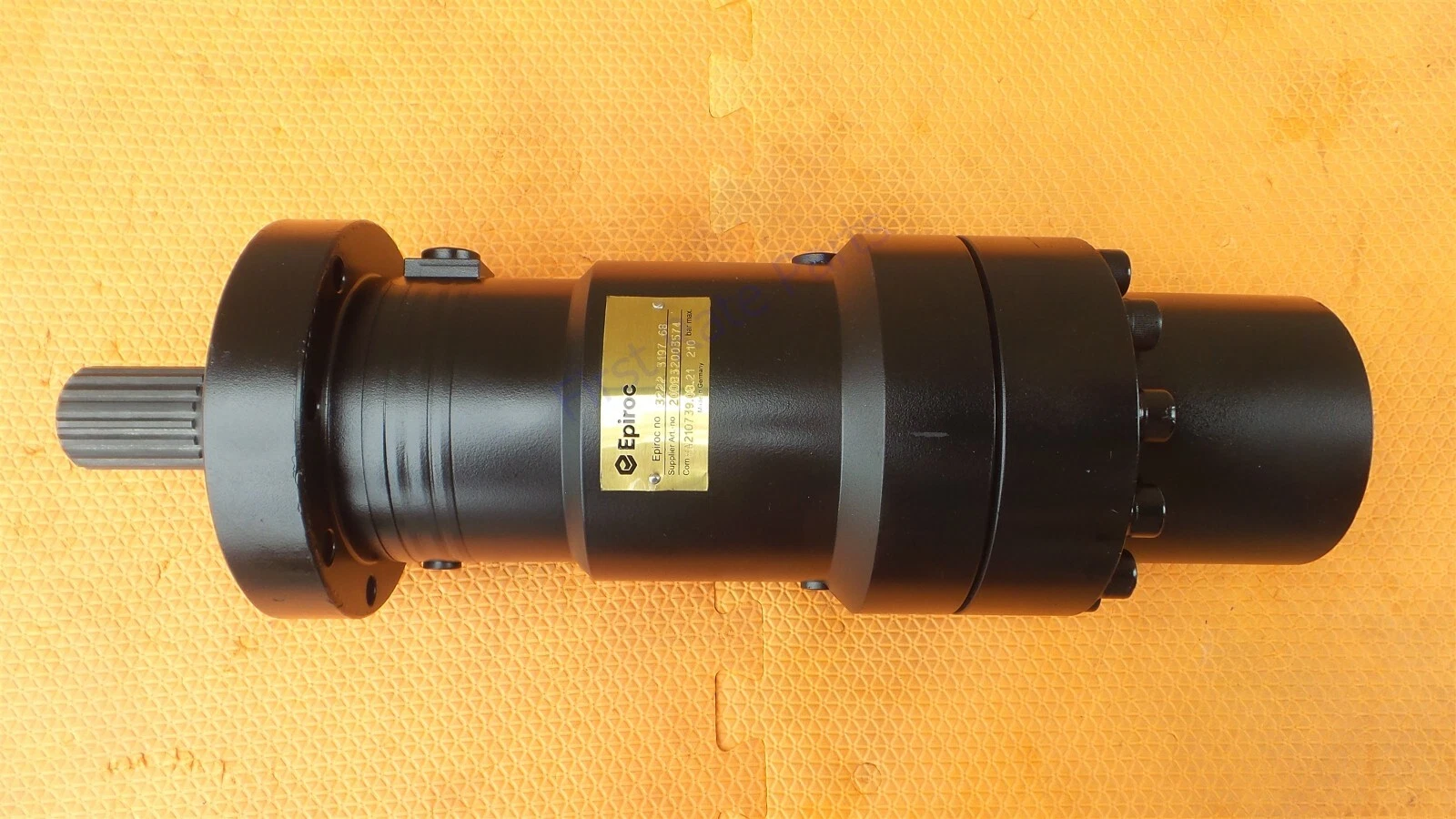
Actuators are indispensable to the smooth operation of modern vehicles. They control a wide range of systems, from engine management to safety systems, climate control, and seating adjustments. Understanding their importance is crucial for appreciating how vehicles function, particularly as vehicle technology continues to advance.
As actuator technology evolves, it will continue to improve vehicle performance, safety, and efficiency. With ongoing advancements, actuators will remain a key component in the development of smarter, safer, and more efficient vehicles. Companies like Changsha Chiyu Hydraulic Equipment Co., Ltd., with their expertise in hydraulic actuators like the CY1 Series Rotary Actuators, are at the forefront of these innovations, contributing to the future of automotive technology.
A: An actuator in a car is a device that converts energy into motion, enabling precise control over various vehicle systems like brakes, windows, and seat adjustments.
A: A Rotary Actuator is a type of actuator that converts energy into rotational motion. In cars, it's commonly used in systems like steering or suspension adjustments.
A: Actuators automate key vehicle functions, improving safety, comfort, and efficiency. They control critical systems such as the engine, suspension, and brakes with precision.
A: If your car’s actuator is malfunctioning, you might experience issues like unresponsive windows, inconsistent seat adjustments, or problems with braking or suspension systems.
A: The cost of replacing a Rotary Actuator varies depending on the car model and system. However, they are generally more affordable compared to other major vehicle components.


