
- All
- Product Name
- Product Keyword
- Product Model
- Product Summary
- Product Description
- Multi Field Search

Views: 0 Author: Site Editor Publish Time: 2025-12-27 Origin: Site


Ever wondered why rotary actuators are so essential in modern automation systems? These devices offer powerful, precise, and reliable rotational movement, making them indispensable in industries from robotics to manufacturing.
In this article, we’ll explore the advantages of rotary actuators. You’ll learn how they provide high torque in compact sizes, improve energy efficiency, and ensure smooth operation in diverse applications.
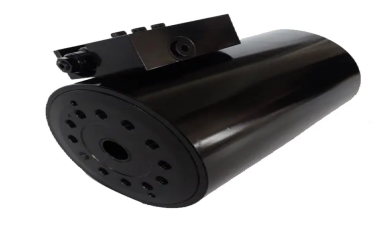
One of the most significant advantages of rotary actuators is their ability to deliver high torque in a compact form factor. In industries where space is limited, this feature is critical. These actuators are capable of providing substantial rotational force, even in small, space-constrained applications.
For example, in robotic systems and automated machinery, rotary actuators can generate the necessary torque to rotate large parts without taking up too much space. This compact design allows for more efficient use of available space, making it easier to integrate into existing systems.
Rotary Actuator | Feature |
Size | Compact, space-efficient |
Torque | High torque output in small design |
Applications | Robotics, automation, valve control |
The ability to achieve high torque while keeping the actuator small and lightweight is a key factor in industries like aerospace and automotive, where space efficiency is a priority.
Another standout feature of rotary actuators is their ability to provide precise and reliable control over rotational movements. This precision is vital for many automated systems, where even a slight deviation from the intended path could lead to operational issues.
For example, in valve control systems, rotary actuators are used to precisely adjust the angle of quarter-turn valves, ensuring that the correct flow of gases or liquids is maintained. The built-in feedback systems, such as limit switches and sensors, help ensure that the actuator reaches its designated position accurately and reliably every time.
The reliability and stability of rotary actuators make them essential in industries where consistent performance is critical. Whether it's adjusting a robotic arm, controlling an automated gate, or turning a valve, rotary actuators are designed to perform consistently under varying loads and conditions.
Rotary actuators are known for their durability, especially in harsh operating environments. Designed to withstand extreme conditions, such as high temperatures, moisture, and dust, these actuators are highly reliable in industries like oil and gas, mining, and construction.
Since rotary actuators typically have fewer moving parts than other mechanical systems, they require less maintenance. This reduces downtime and operational costs. The rugged construction of these actuators ensures that they can handle the stress of continuous operation without breaking down frequently.
This durability is particularly important in environments where maintaining equipment is costly or difficult. For instance, in the marine industry, rotary actuators are used in equipment such as cranes and winches, where the actuators are exposed to harsh conditions like saltwater and high winds.
Rotary actuators are incredibly versatile, as they can be adapted to many different types of applications across multiple industries. Whether you need a rotary actuator for controlling a valve, moving robotic joints, or adjusting conveyor systems, rotary actuators offer the flexibility to perform these tasks efficiently.
For example, in the manufacturing sector, rotary actuators are widely used to control the movement of automated machinery, such as robotic arms and sorting systems. In HVAC systems, rotary actuators are used to control dampers and airflow. Their ability to handle different types of rotational movements, from continuous rotation to limited-angle turns, makes them adaptable to a wide range of industries, including semiconductor manufacturing, aerospace, and defense.
The versatility of rotary actuators is further enhanced by their ability to operate with different energy sources: electric, pneumatic, or hydraulic. Each energy source offers specific advantages depending on the needs of the application. Hydraulic rotary actuators, for instance, provide high power for heavy-duty tasks, while pneumatic and electric actuators are often used for more precise and less power-intensive applications.
Another major advantage of rotary actuators, particularly pneumatic and hydraulic models, is their energy efficiency. Pneumatic actuators use compressed air, which is often less expensive than electricity, reducing operational costs. Hydraulic actuators, on the other hand, offer high torque output with lower energy consumption, which makes them ideal for high-power applications like mining or construction machinery.
In addition to their energy efficiency, rotary actuators also contribute to cost savings in the long run. Their low maintenance requirements mean that companies spend less on repairs and replacements. Furthermore, their efficient operation reduces energy consumption, making them a more sustainable choice for many industries.
Rotary actuators are designed to provide smooth and controlled movement, even at high speeds or under varying loads. This ensures that the system operates without jerking or sudden movements, which can cause wear and tear on other components.
In automated production lines, for example, smooth operation is essential for ensuring the efficient and accurate movement of products. The ability of rotary actuators to start, stop, and accelerate smoothly prevents sudden shocks that could disrupt the operation or cause damage to the system.
This smooth operation is especially important in systems that require high precision and repeatability, such as in electronics manufacturing and robotics. By ensuring that the actuator performs consistently, these industries benefit from increased productivity and reduced operational errors.
Another significant advantage of rotary actuators is their ease of integration into existing automation systems. For example, electric rotary actuators can be easily connected to PLC systems for digital control. This allows for seamless operation and integration into more extensive systems without requiring complex modifications.
The plug-and-play nature of many rotary actuators makes them highly convenient for system designers. The ability to integrate them with sensors, controllers, and other automation equipment means they are an excellent choice for modern, automated environments where efficiency and precision are paramount.
Hydraulic rotary actuators provide the highest power and torque among the various actuator types, making them ideal for demanding applications. Their robustness and high torque capabilities make them suitable for industries such as mining, steel manufacturing, and construction, where heavy lifting and high power are essential.
Hydraulic rotary actuators are designed to withstand extreme environments and handle high load capacities. Their ability to operate at low speeds while generating substantial torque makes them the go-to solution for heavy-duty machinery like cranes, winches, and industrial robots.
Pneumatic rotary actuators are more cost-effective and are commonly used in environments where electricity is not available or in hazardous conditions. Their simplicity and reliability make them a popular choice in industries like food processing, pharmaceuticals, and automated packaging.
These actuators are ideal for applications where moderate torque is needed, and the environment is too harsh for electric actuators. Pneumatic rotary actuators can also be used in industries like automotive and material handling, where precision and safety are important.
Electric rotary actuators offer superior precision and programmability. These actuators are commonly used in robotics, CNC machinery, and applications requiring high accuracy and repeatability. Electric rotary actuators are favored in environments where fine control and high programmability are essential.
Their ability to be integrated easily into digital control systems and their precise positioning capabilities make them a versatile solution for high-tech industries.
Modern hydraulic rotary actuators come with advanced safety features that ensure both the equipment and operators are protected. These features include overload protection, preventing damage to machinery and ensuring that the system operates smoothly and safely under high pressure.
In oil and gas industries, rotary actuators are used to control critical valve systems. The built-in safety features of hydraulic actuators ensure that any overload conditions are safely managed, preventing accidents and system failures.
The reliability of rotary actuators is critical in industries where downtime can result in significant financial losses or safety hazards. With their durable designs and precise control, rotary actuators help ensure the smooth and uninterrupted operation of machinery.
In aerospace, defense, and robotics, where operational failures can have serious consequences, the dependability of rotary actuators is essential. They help maintain the safety, efficiency, and reliability of these critical systems.
The future of rotary actuators looks promising, with advancements in smart technology that enable more efficient control and integration with other systems. As automation and industrial systems become more interconnected, rotary actuators will benefit from enhanced digital controls and sensors.
These developments will allow for real-time monitoring and adjustment of actuator performance, improving efficiency and enabling more precise control in dynamic environments. Integration with smart sensors will allow for better fault detection and predictive maintenance, reducing downtime and improving system reliability.
As industries move toward more sustainable practices, rotary actuators are also evolving to meet these demands. Manufacturers are focusing on energy-efficient designs that reduce consumption while maintaining performance. The future of rotary actuators will see more environmentally friendly solutions that provide power while minimizing the environmental impact.
Energy-saving technologies will allow industries to lower operating costs and reduce their carbon footprint. This will align with the global push for greener, more sustainable industrial practices.
In conclusion, rotary actuators offer multiple advantages, including high torque, compact sizes, and reliable performance. Their versatility makes them perfect for a wide range of applications, from robotics to valve control. Whether hydraulic, pneumatic, or electric, rotary actuators enhance efficiency, reduce energy use, and ensure smooth operation.
At Changsha Chiyu Hydraulic Equipment Co., Ltd., our high-quality rotary actuators are designed to provide optimal performance in various industrial settings. With durability, precision, and low maintenance, our products are a valuable addition to your automation systems.
A: Rotary actuators offer high torque in compact sizes, precision control, and versatility across applications like valve control and robotics. They also ensure smooth operation with low maintenance.
A: A rotary actuator converts energy from electric, pneumatic, or hydraulic sources into rotational motion, providing torque to turn or rotate objects like valves or robotic joints.
A: Choose a rotary actuator when your application requires precise rotational movement, such as controlling valves, rotating robotic arms, or managing conveyor systems.
A: Rotary actuators can be hydraulic, pneumatic, or electric. Each type offers specific benefits like high torque, cost-efficiency, or precision control, depending on the application.


